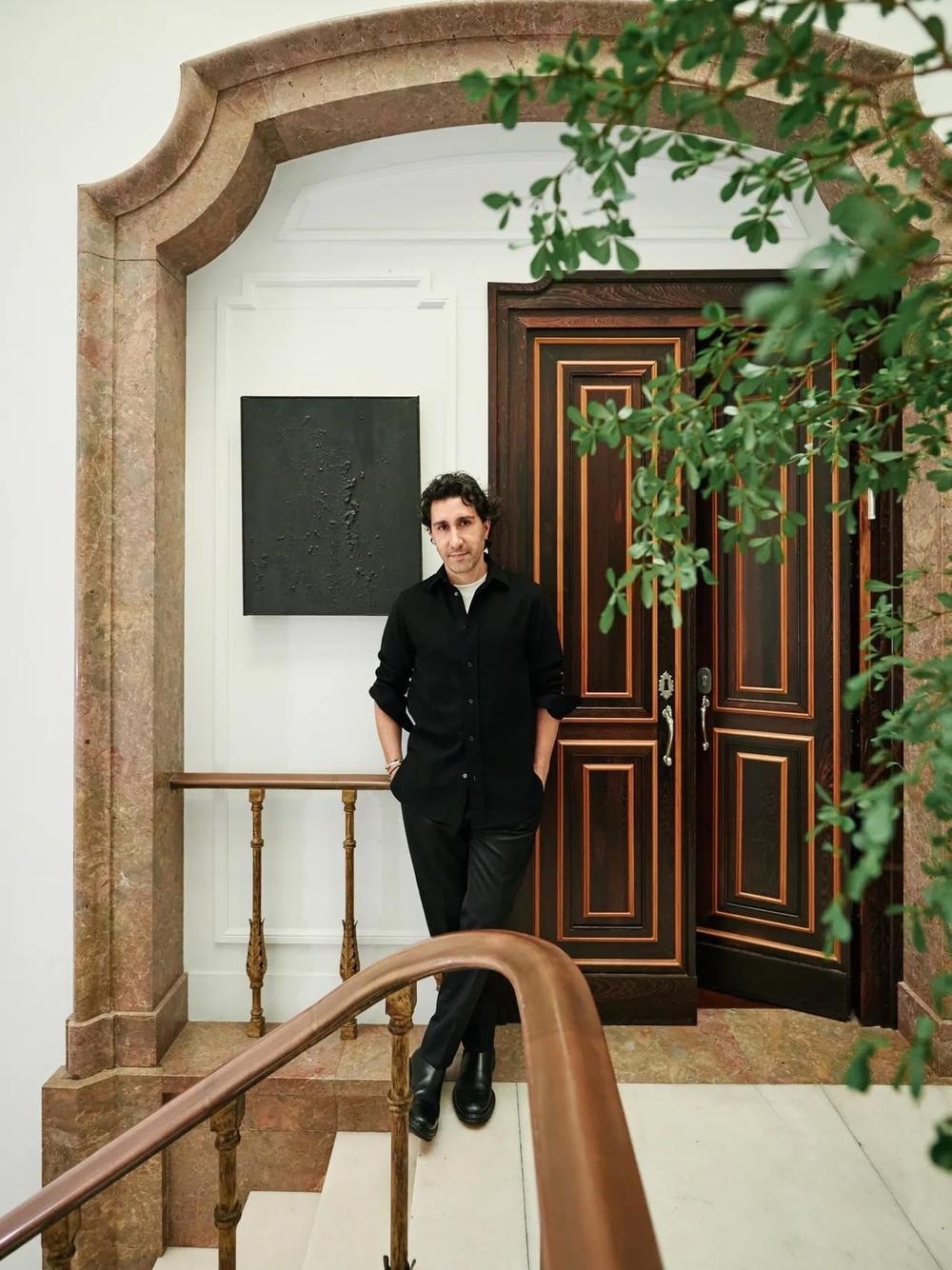
THE POETRY OF OBJECTS
An object can alter a room long before it is touched. It catches the light, interrupts a sightline or introduces a note of intimacy to an otherwise composed interior. In the world of L’OBJET, that presence is never accidental. A hand cut glass vessel, a porcelain plate or the glow of a candle is conceived not as decoration, but as part of the architecture of daily life.
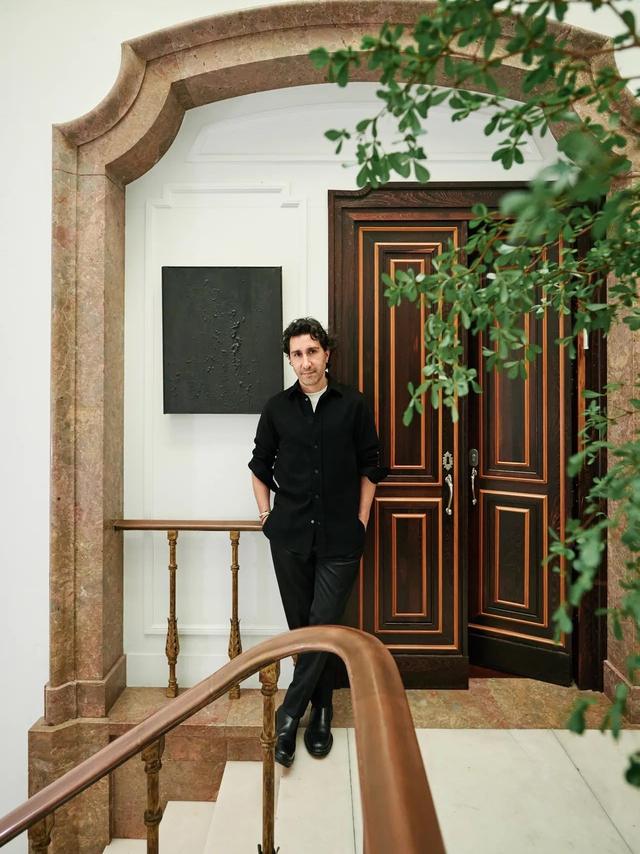
For Elad Yifrach, founder and creative director of L’OBJET, design begins with feeling. His collections may be expressed through exacting materials and centuries old techniques, yet their first impulse is emotional: nostalgia, celebration, contemplation, desire. The result is a body of work that exists in the fertile space between utility and art, where an object earns its place through use and its permanence through beauty.
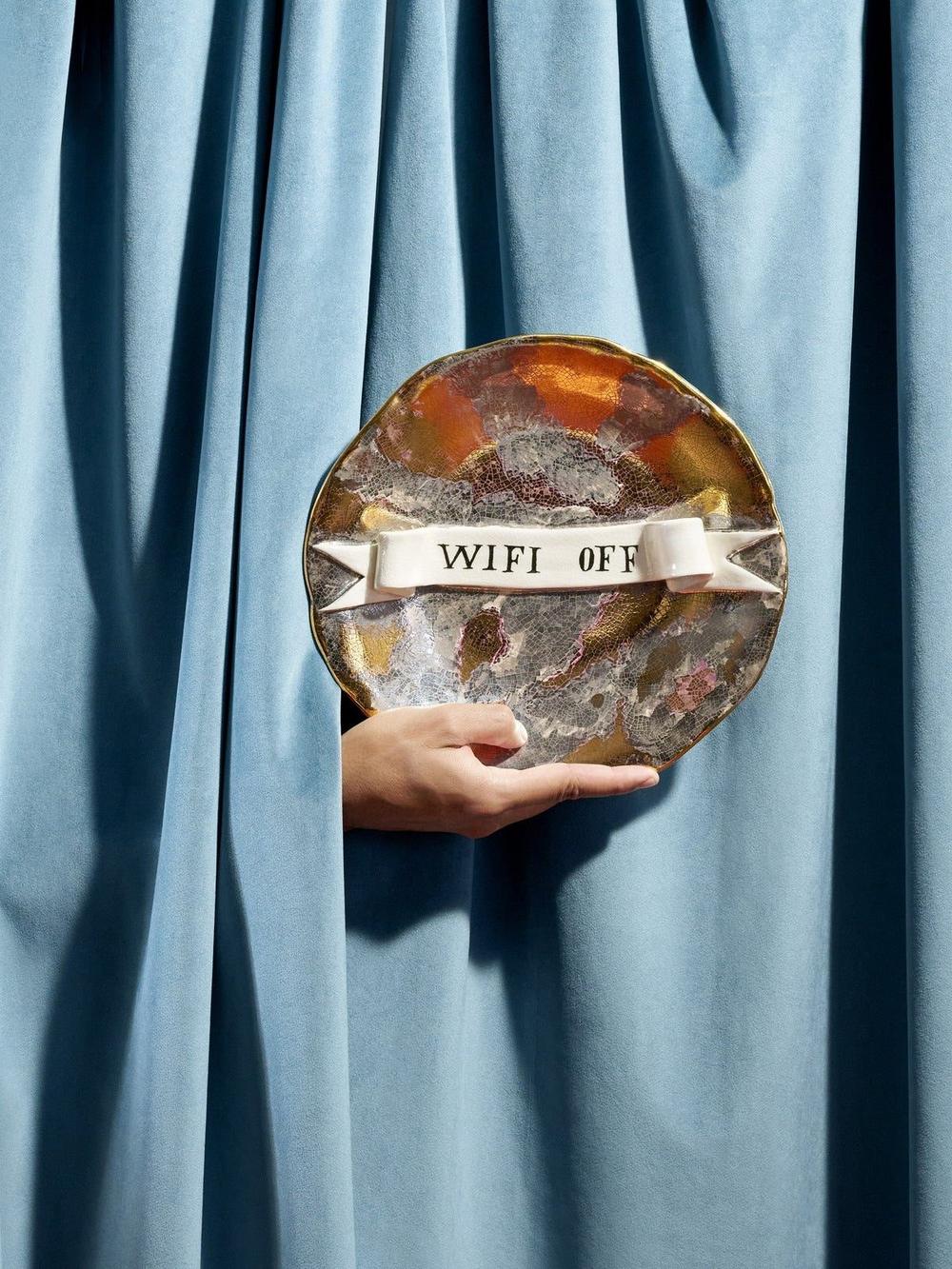
Yifrach trained as an interior designer, an education that taught him to see objects in relation to the rooms, rituals and lives around them. He was searching for pieces with emotional weight and practical purpose, objects that did not ask to be admired from a distance but invited touch, use and repetition. When he could not find them, he began to create them himself.
Travel became another form of education. Across the Mediterranean and Asia, he encountered workshops in which craft remained inseparable from everyday life. He saw evidence of the maker in every subtle irregularity and discovered that material could hold memory. Venice became an especially enduring reference, not simply for its visual splendour but for its layered relationship with time. Through collaborations with historic design houses such as FORTUNY, Yifrach found a language of patina, imperfection and quiet opulence that continues to resonate throughout L’OBJET.
Today, as luxury is increasingly measured by provenance, integrity and time, L’OBJET feels unusually attuned to the moment. Its objects are designed to endure, to acquire character and to be passed from one life to another. Here, Yifrach reflects on the emotional power of craftsmanship, the creative tension of glass, the discipline of stillness and why the most meaningful objects are often those that become part of our lives almost without our noticing.
You trained as an interior designer before founding L’OBJET. How did that early discipline shape the way you think about objects?
Interiors taught me to think holistically. You are never considering an object in isolation. You are thinking about how it lives within a space, how it relates to light, proportion and material, and how it participates in daily rituals. There was not one dramatic moment when I decided to create a brand. It was a gradual realisation that the objects I was searching for did not quite exist. I wanted pieces with emotion and presence, but I also wanted them to be used rather than admired from a distance. That background shaped my instinct to design each object as part of a larger narrative: how it feels in the hand, how it interacts with a room, how it ages and how it becomes part of someone’s life over time.
Was the absence of those objects a creative frustration, or did it feel like an invitation?
It became an invitation. When you work in interiors, you become very aware of what a space needs emotionally as well as functionally. I was looking for objects that could create atmosphere without becoming theatrical, and that could feel precious without becoming untouchable. The absence gave me the freedom to define that balance for myself. L’OBJET grew from the belief that beauty should be intimate and that the things around us can enrich even the simplest action.
What first made you understand the emotional power of craftsmanship?
Travel played an enormous role. I encountered traditional workshops from the Mediterranean to Asia and saw how deeply craft was embedded in everyday life. There is an honesty in a handmade object because you can sense the human presence behind it. The hand leaves evidence, sometimes through a subtle variation or an imperfection that gives the piece its individuality. That emotional connection stayed with me and became one of the foundations of L’OBJET. An object can carry memory, intimacy and meaning far beyond its function.
L’OBJET is often described as creating functional works of art. Where does beauty end and utility begin?
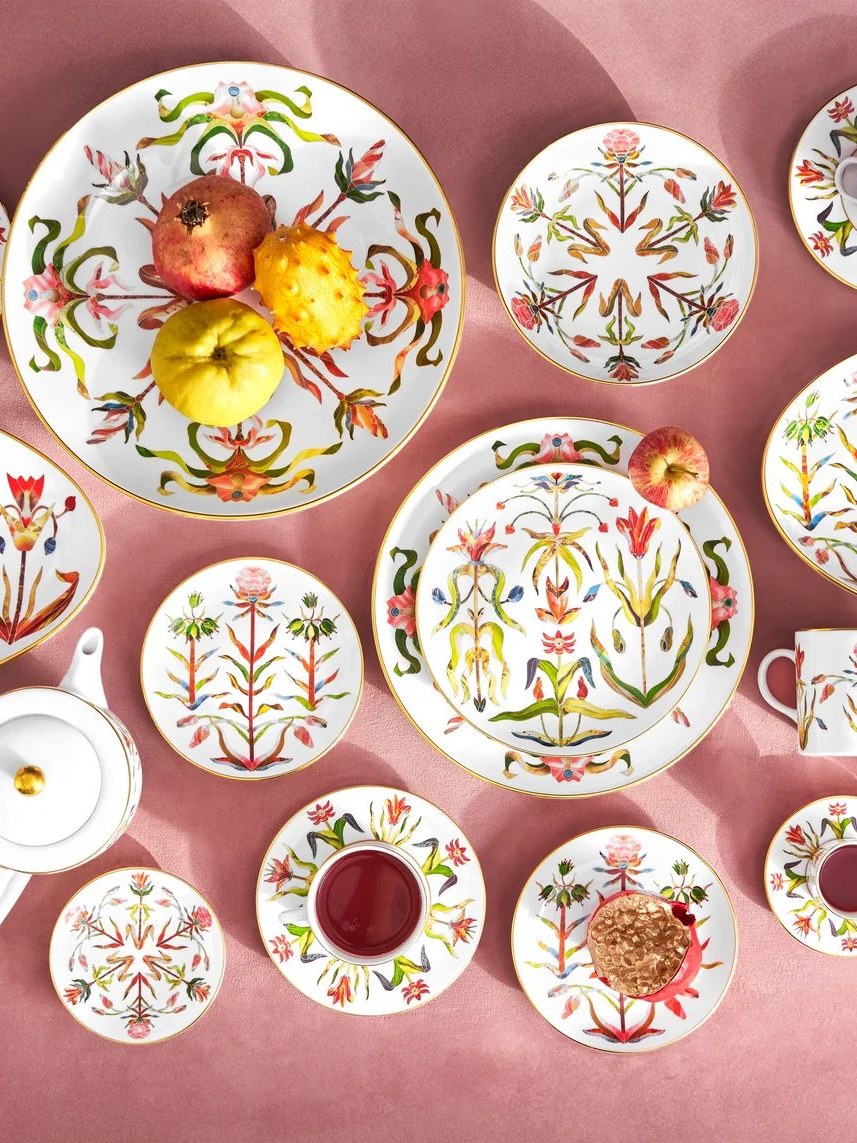
For me, they should never be in conflict. An object earns its place through use, but it earns longevity through beauty. I do not believe in creating pieces that are purely decorative. I want people to live with them and use them every day. When an object is thoughtfully designed, its function becomes part of its aesthetic. The weight of a cup, the curve of a bowl or the way a vessel holds light can be both useful and beautiful. That balance is where L’OBJET lives.
Your work draws from cultures and craft traditions across the world. Which place has left the deepest imprint?
Venice has been a profound and enduring influence, aesthetically and philosophically. It is a city where time feels layered upon time. Beauty is found in patina, imperfection, reflection and quiet opulence. Nothing feels completely fixed. Water, light and age are always changing the surfaces around you. Through collaborations with historic design houses such as FORTUNY, I have been able to engage with that sensibility in a very meaningful way. Venice reminds me that an object does not have to look new to feel alive. It can carry history and still remain relevant.
What does quiet opulence mean to you?
It is richness without excess for its own sake. It may come from the depth of a glaze, the precision of hand cut glass or the way a material responds to light. The most compelling luxury is often discovered slowly. It reveals itself through touch, use and close attention. I am interested in objects that hold a room with confidence, but do not need to announce their value.
Glass is one of your most demanding materials. What does it ask of you as a designer?
Glass asks for precision, patience and humility. With collections such as PRISM, hand cut glass requires a very exact understanding of how light interacts with colour and form. The margin for error is small, but the material also has a life of its own. When it is handled well, it feels almost animated. It refracts light, shifts the mood of a room and elevates an everyday ritual. Working with glass is a constant dialogue between control and spontaneity. You establish the conditions, but you must also allow the material to surprise you.
When a new collection begins, do you start with a narrative, a material or an image?
It almost always begins with a feeling. I am interested first in the emotion I want someone to experience when they encounter a piece. The narrative and materials then develop from that initial impulse. Sometimes the feeling is nostalgia, sometimes celebration and sometimes quiet contemplation. Once the emotional core is clear, decisions about colour, form, texture and technique begin to fall into place. The material is not simply a vehicle for the idea. It becomes a collaborator in expressing it.
Do you design with a particular room in mind, or with the ritual that will take place there?
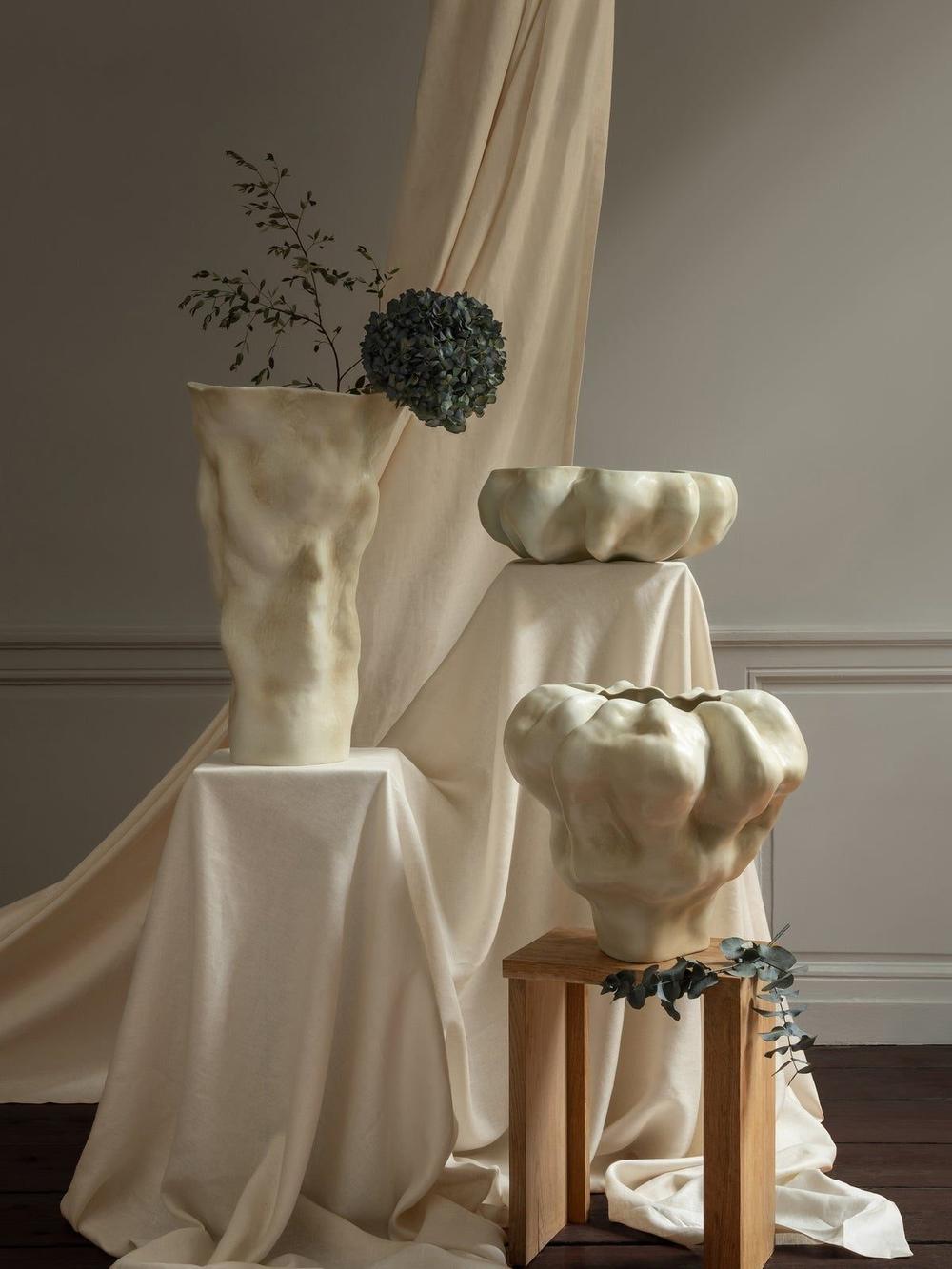
The ritual is often more important than the room. A table can exist in a grand dining space or in a small apartment, but the act of gathering carries its own emotional architecture. I think about the gesture of pouring, serving, lighting or placing. These are modest actions, yet they structure our days and connect us to other people. The object should heighten that experience without making it feel formal or self conscious.
If L’OBJET were a poem rather than a design house, what kind of poem would it be?
It would be sensual and timeless, rich in texture, light and shadow. It would be a poem about everyday rituals elevated into moments of beauty. I would want it to linger rather than explain itself immediately, something that is felt profoundly and remembered through atmosphere.
Your objects suggest a very attentive way of living. What rituals keep you creatively grounded?
I believe in the importance of routine. Simple gestures such as lighting a candle, setting a table beautifully even when I am alone, or taking time to observe materials and objects help me remain connected to why I design. Creativity does not always come from constant stimulation. Very often it comes from stillness and attentiveness. When you slow down, you notice how light moves across a surface, how an object feels in the hand or how a room changes at a particular hour. Those observations become a creative vocabulary.
Has your definition of luxury changed since you founded L’OBJET?
When I began, luxury was often defined by rarity and ornamentation. Today, I see it as something more personal and emotional. It is about authenticity, craftsmanship and intention. It is about owning fewer things and choosing them with care. A truly luxurious object does not depend on novelty. It continues to offer pleasure because it has integrity and because your relationship with it deepens over time.
What does true luxury mean to you now?
True luxury is time. It is time to create, time to enjoy and time to connect. It is also honesty in materials and process. Knowing where something comes from, how it was made and that it was created with respect for both craft and people gives an object a different kind of value. That sense of integrity is the ultimate luxury.
How does that philosophy influence your approach to sustainability?
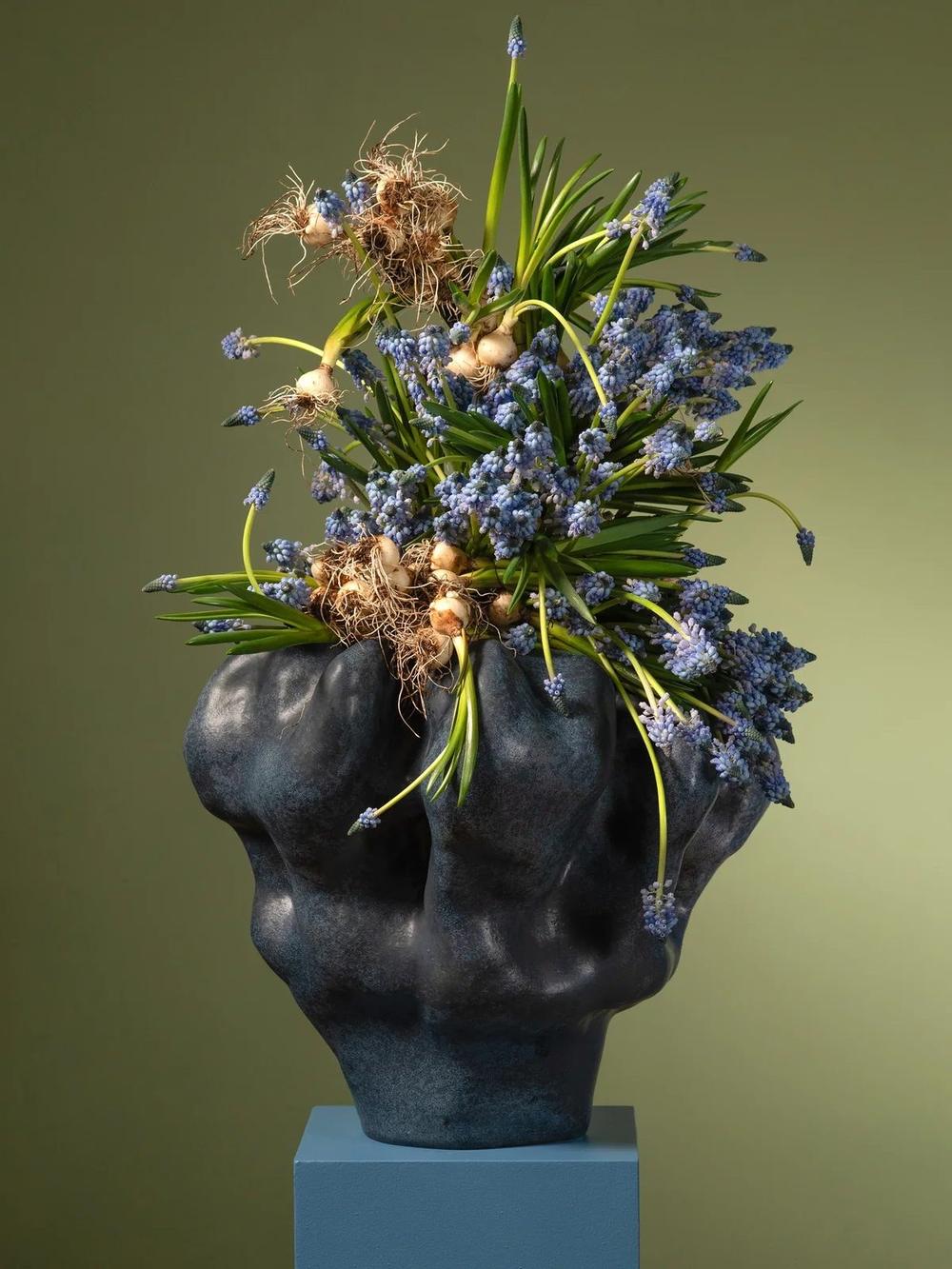
L’OBJET has always been rooted in longevity. We design objects intended to be kept, cherished and passed down. That is fundamentally opposed to disposability. Our commitment is to work closely with artisans, invest in materials and preserve traditional techniques while creating pieces that remain meaningful in contemporary life. Sustainability is not a seasonal idea for us. It is embedded in the way we have always worked and in the belief that the most responsible object is one a person will continue to value.
Do you imagine how an object might change as it moves through generations?
Yes. I am interested in the life that begins after an object leaves us. Use creates another layer of design. A surface develops a patina, a piece becomes associated with a particular person, a celebration or a family ritual. Its emotional value expands beyond what the designer can control. That is beautiful to me. The object becomes a vessel for someone else’s history.
If you could create a single object that contained your entire design philosophy, what would it be?
It would be something intimate and ritualistic, perhaps a vessel, a bowl or a candleholder. It would live quietly in someone’s home and be used every day, absorbing memories over time. For me, the most meaningful designs are the ones that become part of people’s lives without them even realising it. They do not demand attention, yet their absence would be felt.
What do you hope people ultimately experience when they live with L’OBJET?
I hope they experience beauty as something active rather than distant. I want the objects to encourage attention, generosity and pleasure in daily life. If a piece makes someone pause, set a table with greater care, light a candle at the end of the day or create a ritual of their own, then it has fulfilled its purpose. Design can make the ordinary feel significant, and that is what continues to inspire me.
In Yifrach’s hands, the object is never merely an accessory to the room. It is an instrument of atmosphere and a witness to ritual, capable of holding light, touch and memory in equal measure. His interiors training remains visible in the way he speaks about proportion and context, but his deepest concern is more intimate: how design enters the rhythms of a life.
That idea gives L’OBJET its particular resonance. The collections possess splendour, but their luxury is not based on distance. It is found in the permission to use something beautiful every day, to let it age and to allow personal history to become part of its surface.
At a moment when the home is increasingly treated as an image, Yifrach offers a more enduring proposition. A meaningful interior is not assembled for the gaze of others. It is shaped through attention, repetition and the objects that quietly teach us how to inhabit our own lives.


Harbor Light
Keep reading →More from Institute


The Sunday Edit
One letter a week: the story we would have put on the cover, and what the archive turned up. No feed, no algorithm, no reason to miss it.
Institute Magazine. Published by NRCI Limited, registered in England and Wales (no. 15756180).